If you were traveling through Japan during the Edo period, you wouldn’t just be walking endlessly from one place to another. Your journey would be broken up by a series of stops — places designed specifically for people on the move.
These were the post towns, known as shukuba, and they were essential to life along the great highways that spread out from Nihonbashi in Edo, particularly the Edo post towns.
Every few kilometers along Japan’s Five Historic Roads, you would arrive at one of these towns. After hours on the road — walking, riding, or traveling as part of a larger procession — they offered something simple but important: a place to rest.
But over time, they became much more than that.
more than just a place to sleep
At first, post towns were practical. They provided lodging, food, and fresh horses for official travelers. But because traffic along the roads was constant — especially under the system of sankin-kotai — these towns quickly grew into lively centers of activity.
You would find:
• Inns (ryokan) of different levels
• Small restaurants and tea houses
• Shops selling local goods
• Porters and guides offering services
For many travelers, arriving at a post town meant stepping into a completely different rhythm. The road might be quiet and demanding, but the town was full of life.
who you would meet on the road
One of the most interesting things about these towns is the mix of people passing through.
Samurai traveling with their lords. Merchants moving goods between regions. Pilgrims heading toward temples and shrines. And ordinary travelers just exploring beyond their home provinces.
In a society that was otherwise very structured and hierarchical, the road created moments where different groups crossed paths. And the post towns were where those worlds met.
along the five historic routes
These towns existed along all of the major routes, including the famous Tokaido and the more rugged Nakasendo. Each road had its own character, and so did its post towns.
On the Tokaido, towns were often busy and commercial, filled with travelers moving between Edo and Kyoto. On the Nakasendo, towns could feel more remote, surrounded by mountains and forests, with a quieter, slower atmosphere.
But no matter the location, the purpose was the same — to support the constant movement of people across the country.
the experience of traveling
Travel in the Edo period wasn’t fast. It was measured, physical, and often unpredictable. You dealt with weather, road conditions, and the pace of your group. A single day’s journey might end in a small town where you shared space with other travelers, ate simple meals, and prepared for the next leg of the trip.
There was a routine to it — walking, arriving, resting, then moving on again. And over time, that rhythm became a defining part of travel in Japan.
what remains today
What’s remarkable is that some of these post towns still exist.
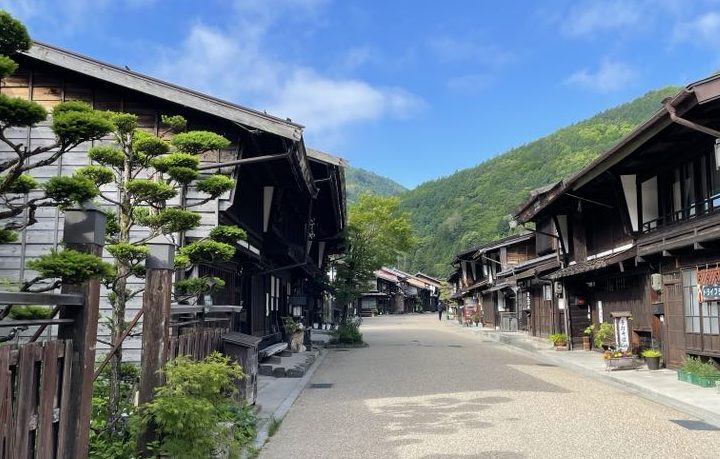
Places along routes like the Nakasendo have been preserved, allowing visitors to walk through streets that look much as they did hundreds of years ago. Wooden buildings, narrow roads, and the feeling of being slightly removed from modern life — it’s still possible to experience a small part of what travel might have felt like during the Edo period.
seeing the roads differently
When people think about historic Japan, they often focus on castles, temples, or famous landmarks. But the real story of the Edo period is also about movement.
It’s about the roads that connected the country, the people who traveled them, and the places in between. The post towns were where that story came to life. They were where the journey paused. Travelers became part of something larger than just their destination there.
And like everything else in this system, it all connects back to Nihonbashi, where the roads began.
Leave a Reply